

Glass Windows vs Traditional Windows: Which is Right for You?
Choosing the right windows is no longer just about ventilation. In Indian homes, windows must handle extreme heat, dust, traffic noise, and heavy rainfall while still looking modern and lasting for decades. Many homeowners struggle with rising indoor temperatures, constant outside noise, and frequent maintenance issues caused by outdated window designs.
This is why the comparison of Glass Windows vs Traditional Windows has become more relevant than ever. Whether you live in an apartment near a busy highway, a villa in a coastal city, or a high rise building in a growing urban area, the type of windows you choose directly affects comfort, energy efficiency, and long term living quality.
Understanding Glass Windows in Modern Construction
Glass windows in modern construction refer to engineered window systems that use large glass panels combined with aluminium, UPVC, or system profiles. These windows are designed for performance rather than just appearance.
Modern glass windows include proper sealing, advanced hardware, and safety glass. They are commonly used in apartments, villas, offices, and commercial buildings where light, openness, and efficiency are priorities. When people compare Glass Windows vs Traditional Windows, glass windows usually represent modern, engineered solutions.
What Are Traditional Windows?
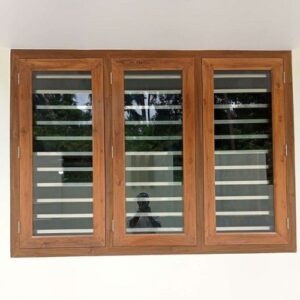
Traditional windows typically include older styles made from basic aluminium sections, steel frames, or wooden shutters. These windows have been used for decades and are still found in many homes.
They are often fabricated on site and depend heavily on workmanship. While they serve basic needs such as ventilation and daylight, they often lack the performance features expected in modern living.
Glass Windows vs Traditional Windows: Key Differences
The core difference between Glass Windows vs Traditional Windows lies in design approach. Glass windows are engineered systems built for comfort, insulation, and durability, while traditional windows focus mainly on basic functionality.
This difference becomes clear when comparing them across everyday factors that directly impact living comfort.
Natural Light and Visual Openness
Glass windows maximise natural light by using larger glass areas. This makes interiors feel brighter, more open, and visually connected, even in compact apartments.
Traditional windows often have smaller openings or thicker frames that limit daylight. In the comparison of Glass Windows vs Traditional Windows, glass windows clearly perform better in enhancing light and openness.
Ventilation and Airflow Control
Modern glass windows are available in sliding, casement, and tilt and turn designs that allow controlled airflow while maintaining proper sealing.
Traditional windows may not seal effectively when closed, allowing dust and pollution to enter. This makes glass windows more suitable for urban environments.
Thermal Insulation and Indoor Comfort
Glass windows use insulated frames and can support double glazing, which helps reduce heat transfer. In hot climates, well designed glass windows can help lower indoor temperatures by around 2 to 4 degrees, reducing dependence on air conditioning.
Traditional windows often conduct heat easily and allow air leakage. From a comfort perspective, Glass Windows vs Traditional Windows generally favours modern glass windows.
Noise Reduction and Sound Insulation
Urban noise is a growing concern in Indian cities. Glass windows with proper sealing and double glazing can reduce outside noise by up to 40 to 50 percent, which makes a noticeable difference in homes located near highways or commercial areas.
Traditional windows often allow sound to pass through gaps and thinner materials, making interiors noisier.
Safety and Security
Modern glass windows support multi point locking systems and safety glass such as toughened or laminated glass. These features improve resistance against forced entry and accidental breakage.
Traditional windows usually rely on single point locks and thinner frames, offering comparatively lower security.
Maintenance and Long Term Durability
Glass windows made with aluminium or UPVC frames require minimal maintenance. They do not rust, rot, or need frequent repainting, even in humid or coastal regions.
Traditional windows often need regular upkeep due to corrosion, paint peeling, or hardware wear. Over time, glass windows usually offer better durability and lower maintenance costs.
Design and Modern Living
Modern homes focus on clean lines and open layouts. Glass windows support this style with slim profiles and larger glass panels that align well with contemporary interior design.
Traditional windows may not complement modern aesthetics, especially in newly constructed homes and offices.
Cost Comparison and Long Term Value
Traditional windows usually have a lower initial cost. Glass windows may require a higher upfront investment but offer better insulation, durability, and reduced maintenance.
When comparing Glass Windows vs Traditional Windows over time, glass windows often provide better long term value rather than just short term savings.
Performance in Indian Climate
Glass windows are designed to handle Indian conditions such as heat, dust, humidity, and heavy rainfall. Proper sealing prevents dust entry and water leakage.
Traditional windows may struggle in high rise buildings, coastal areas, and polluted urban locations.
Understanding Modern Window Systems
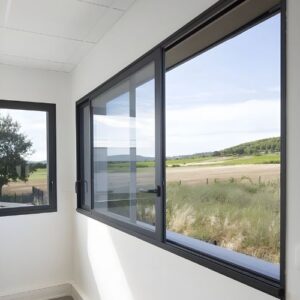
Many glass windows are part of engineered window systems that ensure consistent performance. Homeowners comparing different materials can explore this detailed guide on UPVC windows vs Domal windows to understand how frame choices affect durability and comfort.
To learn how engineered designs improve window performance, this explanation of system window solutions highlights why they are increasingly preferred in modern construction.
Which Option Is Right for You?
If your priority is comfort, insulation, noise reduction, low maintenance, and modern design, glass windows are usually the better choice. If budget constraints are tight and requirements are basic, traditional windows may still serve the purpose.
The decision between Glass Windows vs Traditional Windows ultimately depends on your location, daily lifestyle, and long term plans.
FAQs About Glass Windows vs Traditional Windows
Are glass windows suitable for Indian homes?
Yes, modern glass windows are designed for Indian climate conditions and perform well against heat, dust, noise, and rainfall.
Do glass windows require more maintenance?
No, glass windows with aluminium or UPVC frames generally require less maintenance than traditional windows.
Are traditional windows cheaper?
Traditional windows usually cost less initially, but long term maintenance and replacement can increase overall expenses.
Which option is better for noise reduction?
In the comparison of Glass Windows vs Traditional Windows, glass windows with proper sealing and glazing offer better sound insulation.
Can glass windows increase property value?
Yes, glass windows improve comfort, appearance, and energy efficiency, which can positively impact property value.
Conclusion
The comparison of Glass Windows vs Traditional Windows clearly shows that modern glass windows offer advantages in comfort, insulation, security, and design. Traditional windows may fulfil basic needs, but they often struggle to meet modern living expectations.
Before finalising your choice, assess your surroundings, climate conditions, daily lifestyle, and future plans. Factors such as noise exposure, building height, and maintenance expectations should guide your decision.
Consulting a window professional or system provider before finalising your selection can help ensure the chosen window solution matches your climate, building structure, and long term performance needs.

Ankit Singh is a content writer and interior solutions specialist at Lumora, based in Indore. He writes about glass solutions, window systems, interior design, and architectural materials with a focus on helping homeowners and professionals make informed decisions. With hands-on exposure to residential and commercial glass projects across Indore, Ankit covers topics including toughened glass, UPVC windows, aluminium systems, glass railings, partitions, and modern interior design trends. His writing combines practical field knowledge with clear, accessible explanations for readers at every stage of their project.